
What to Expect at a Funeral Viewing, Wake, or Visitation

August 3, 2026

Share this article

A funeral viewing, wake, or visitation is a scheduled gathering where family and friends pay their respects to the deceased before the final service. These events provide a supportive environment for mourners to offer condolences, view the body if desired, and find communal strength during the initial stages of grief.

What is the difference between a viewing, wake, and visitation?

While the terms are often used interchangeably, they have distinct historical and cultural roots. Understanding these differences helps visitors navigate the event with confidence. At Eastside Funeral Chapel, we accommodate all three styles to ensure every family’s traditions are honored through our Funeral Services .

  • The Visitation: This is generally the most informal of the three. It is a set window of time where people drop in to offer sympathies. The body may or may not be present.
  • The Viewing: As the name suggests, the primary focus is the presence of the deceased in either an open or closed casket. It allows for a final physical goodbye.
  • The Wake: Traditionally rooted in religious practices (especially Catholic traditions), a wake often involves prayers, such as the Rosary, and may take place over a longer period.
  • Location: While traditionally held in family homes, most modern gatherings occur at a funeral home or a place of worship for logistical ease.
  • Purpose: Regardless of the name, the primary goal is to provide a dedicated space for the community to acknowledge the loss and support the survivors.

In Manhattan, these services often reflect the diverse cultural fabric of the city. Whether you are attending a quiet visitation or a more structured wake, the environment is designed for reflection and connection.

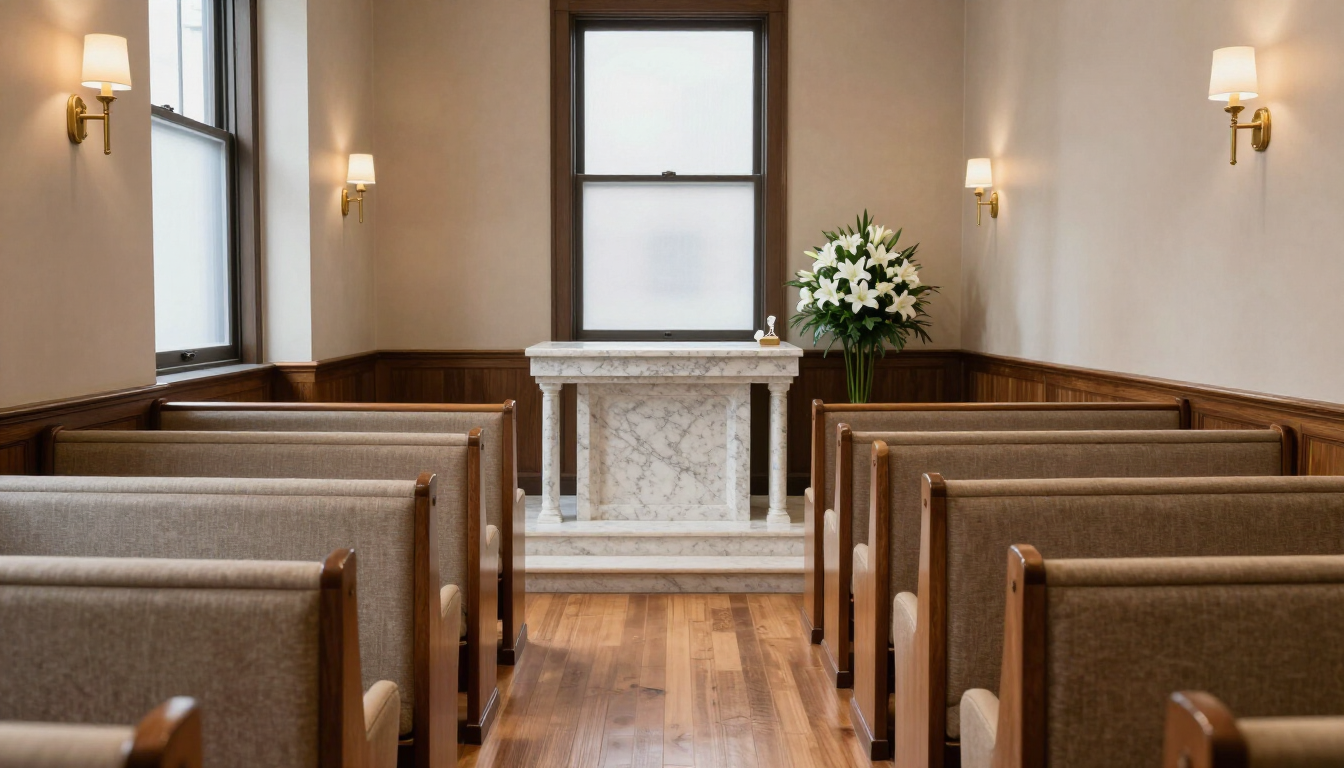
A peaceful funeral guestbook with flowers

Understanding Funeral Viewing Etiquette

Attending a viewing can feel intimidating if you aren't familiar with the customs. The most important thing to remember is that your presence is a gift to the grieving family. Observing a few basic rules of etiquette ensures that you remain respectful of the solemnity of the occasion.

When you enter the room, look for a guestbook. It is vital to sign your name clearly, as the family may use this list later to send thank-you notes or keep a record of who shared in their mourning. If you were a colleague or a distant friend, adding a brief note about how you knew the deceased can be very helpful for the family.

Noise levels should be kept low. While it is natural to catch up with other acquaintances, remember that others may be in deep prayer or reflection nearby. Keep conversations hushed and step outside if you need to have a longer or more animated discussion. Also, ensure your mobile phone is turned off or set to silent before entering the building.

What should I wear to a funeral visitation?

Clothing choices for a visitation are generally less rigid than the funeral service itself, but they should still convey respect. In a professional city like New York, many people attend visitations directly from work, which makes business casual or professional attire perfectly acceptable.

  • Colors: While black is the traditional choice, any dark or neutral color—such as navy, charcoal, or forest green—is appropriate.
  • Modesty: Choose clothing that is conservative and not overly distracting; avoid bright neon colors or graphic tees.
  • Footwear: You may be standing for a period while waiting in line, so choose comfortable but polished shoes.
  • Jewelry: Keep accessories simple and understated to maintain a respectful tone.
  • Cultural considerations: Some religions have specific dress requirements, such as head coverings; if you are unsure, it is helpful to check the FAQs or ask the family.

If the family has requested a "Celebration of Life" or a specific theme (such as wearing the deceased’s favorite color), it is encouraged to follow those requests to honor their wishes. You can often find these details in the Obituaries section of our website.

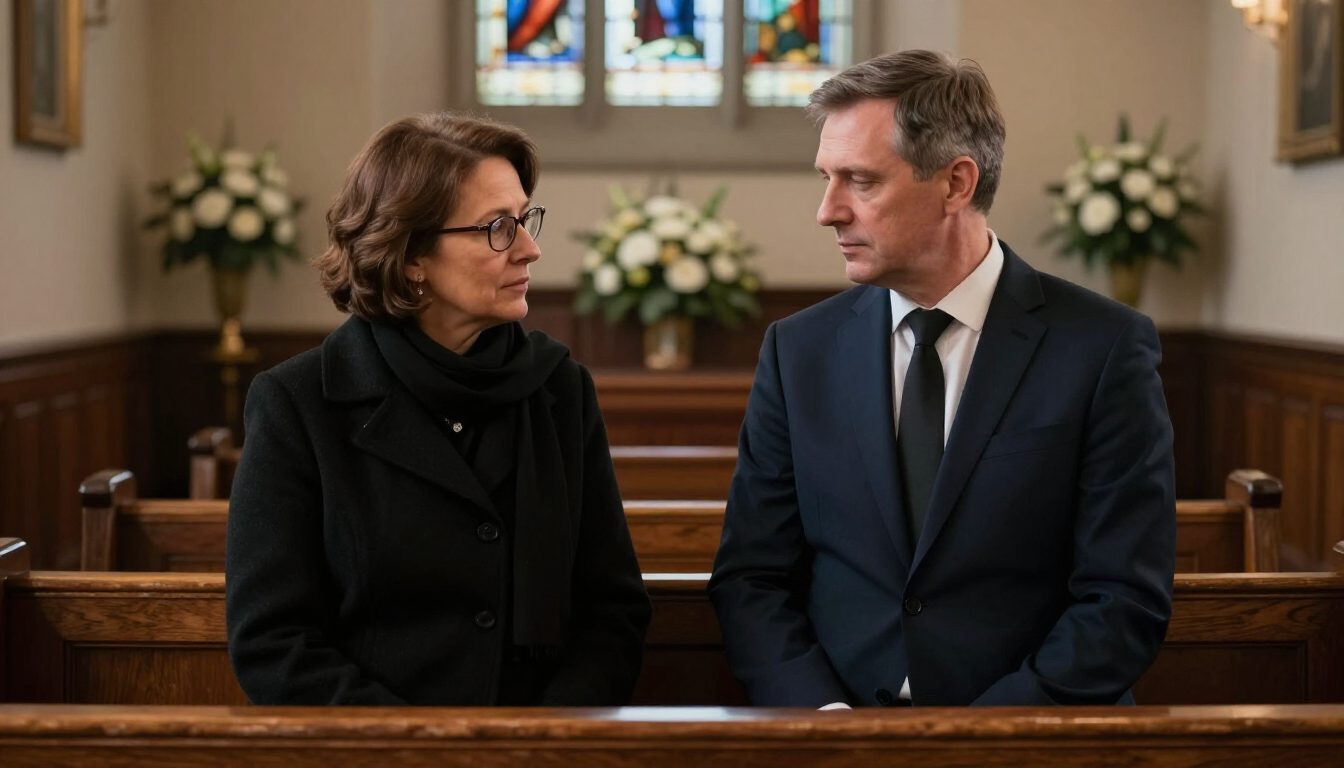
Mourners talking quietly in a funeral home

How long should you stay at a wake?

There is no set time requirement for how long one must stay at a wake or visitation. Unlike a funeral service, which has a clear beginning and end, a visitation is a "flow-through" event. Most guests stay for approximately 15 to 30 minutes, though this can vary based on your relationship with the family.

If you were very close to the deceased or the survivors, you might choose to stay longer to provide emotional support or assist with hosting duties. If there is a long line of people waiting to speak with the family, it is polite to keep your conversation brief so that others have the opportunity to offer their condolences. If the room is relatively empty, the family might appreciate a longer visit to help fill the silence and provide distraction from their grief.

Essential Rules for the Viewing Room

If the casket is open, you may choose to approach it, or you may choose to remain at a distance. Both choices are completely acceptable. If you do approach the casket, you might say a brief prayer, touch the hand of the deceased if that is your custom, or simply stand in silence for a moment of reflection.

  • Approaching the Family: Usually, the immediate family stands in a receiving line near the casket. Wait your turn patiently.
  • Photos: It is generally considered disrespectful to take photos of the deceased or the interior of the viewing room without explicit permission.
  • Children: Children are welcome but should be prepared beforehand for what they will see, especially if there is an open casket.
  • Gifts: If you wish to bring something, flowers or a small donation to a designated charity are common gestures.
  • Exiting: When you are ready to leave, a simple nod to the family is sufficient if they are busy talking to others.

For those who find the experience overwhelming, remember that our staff is available for Aftercare Support and guidance during these moments.

What should I say to the grieving family?

Finding the right words is often the most stressful part of attending a visitation. The reality is that there are no perfect words to take away the pain of loss, but your sincerity is what matters most. A simple, honest statement is always better than a cliché.

  • Keep it simple: "I am so sorry for your loss" or "My thoughts are with you and your family" are timeless and appropriate.
  • Share a memory: "Your mother was such a kind woman; I’ll never forget how she helped me when I first moved here."
  • Offer specific help: Instead of saying "let me know if you need anything," try saying "I’ll bring dinner over on Thursday."
  • Listen more than talk: Sometimes the best thing you can do is simply listen to the family if they feel like sharing.
  • Avoid comparisons: Even if you have lost someone, avoid saying "I know exactly how you feel," as every grief journey is unique.

If you find yourself struggling with how to handle the social aspects of mourning, exploring our Grief Support resources can provide deeper insights into the emotional landscape of loss.

Strategic Planning for Personal Preferences

Many individuals choose to specify their preferences for a viewing or visitation well in advance. This removes the guesswork for their loved ones during an emotional time. At Eastside Funeral Chapel, we help families with Pre-Planning to ensure that their cultural and personal traditions are documented and respected.

Whether you prefer a traditional wake or a more modern Celebration of Life , documenting these wishes is a final act of kindness for your survivors. It allows them to focus on the emotional aspects of the gathering rather than the logistics of whether to have an open casket or where to hold the event.

Summary of What to Expect

A funeral viewing, wake, or visitation serves as a vital bridge between the death of a loved one and the finality of the funeral service. These gatherings are defined by their flexibility, allowing friends and community members to offer support in a less structured environment than a formal ceremony. By following basic etiquette—signing the guestbook, dressing respectfully, and offering sincere condolences—you provide meaningful comfort to those in mourning.

Key Takeaways:

  • Flexibility: Visitations allow you to come and go within a set timeframe.
  • Etiquette: Sign the guestbook and keep your voice low to respect others' grief.
  • Support: Your presence is the most important contribution you can make.
  • Action: If you are unsure of specific customs, contact the funeral home for guidance.

If you need immediate help or have further questions about an upcoming service, please do not hesitate to Contact Us at any time. We are here to support the Eastside Manhattan community 24/7.

Recent Posts

Professional funeral director explaining the repatriation process.
July 15, 2026
Learn how funeral repatriation works, from legal requirements to shipping costs. Our guide covers sending a loved one to another state or country safely.
A peaceful view of a Manhattan cemetery landscape
June 22, 2026
Detailed guide on funeral cost in Manhattan and NYC. Learn about burial, cremation, and service fees in 2026 to plan a dignified farewell.

Sunlit cemetery with gravestones and trees, with the New York City skyline in the background.
June 22, 2026
An expert comparison of burial vs. cremation in New York City. Learn about costs, cemetery options, and cultural traditions to make the right choice.

New York City skyline at sunset with the One World Trade Center reflected on the water
June 22, 2026
A comprehensive guide on what to do immediately after a loved one passes away in NYC. Learn legal requirements and how to find immediate assistance.