Burial vs. Cremation in NYC: How to Choose
Choosing between burial and cremation in NYC involves weighing personal values, religious traditions, and budget. Traditional burial involves interring the body in a casket within a cemetery, while cremation uses heat to reduce the body to ashes, offering greater flexibility for memorialization and generally lower overall costs in the Manhattan area.
Deciding how to honor a loved one is one of the most significant choices a family will make. In a city as unique as New York, factors like land scarcity, transport logistics, and cultural diversity play a major role in this decision. Whether you are looking for immediate assistance or are in the process of pre-planning , understanding the nuances of burial and cremation in the context of the Five Boroughs is essential.
Quick Comparison: Burial vs. Cremation
- Method: Burial involves a casket and a cemetery plot; cremation involves heat and bone fragments (ashes).
- Cost: Burial typically has higher upfront costs (plot, vault, casket); cremation is often more affordable.
- Location: Burial is tied to a specific cemetery; cremated remains can be kept, buried, or scattered.
- Timeline: Burial usually occurs within days; cremation allows for delayed memorial services.
- Environment: Burial uses land and preservatives; cremation uses energy and produces emissions.
What is the primary difference between burial and cremation in NYC?
The fundamental difference between burial and cremation lies in the physical process and the final resting place. In a traditional burial, the body is prepared—often through embalming if a public viewing is held—and placed in a casket. This casket is then lowered into a grave or placed in a mausoleum. In New York City, this often requires coordination with historic cemeteries where space is at a premium. Burial provides a permanent, physical location for families to visit and pay their respects for generations.
Cremation, conversely, is the process of reducing the human body to bone fragments using high heat. The resulting "cremated remains" or ashes can be placed in an urn, interred in a columbarium, buried in a small plot, or scattered in accordance with local regulations. For many New Yorkers, cremation services offer a practical solution to the logistical challenges of the city, allowing families to hold a celebration of life at a time and place that is most convenient for them, rather than being rushed by the biological timeline of a traditional burial.

How much does burial vs. cremation cost in New York City?
Cost is a significant factor for many families, especially in a high-cost area like Manhattan. When comparing burial vs. cremation in NYC, the price gap can be substantial due to the "real estate" aspect of burial.
- Burial Costs: A traditional burial typically includes the professional services of the funeral home, the cost of the casket, a burial vault (required by most cemeteries), and the purchase of the cemetery plot itself. In New York City and the surrounding suburbs, cemetery plots can range from several thousand dollars to tens of thousands depending on the location and prestige of the cemetery. There are also opening and closing fees for the grave.
- Cremation Costs: Cremation is generally the more economical choice. It eliminates the need for a large cemetery plot, a vault, and a high-end casket (though a combustible cremation container is required). If you opt for direct cremation, costs are minimized further. However, many families still choose to have a traditional funeral service with the body present before the cremation takes place, which brings the cost closer to that of a burial.
- Transport and Logistics: In New York, transporting a body through city traffic or across state lines can add to the expense. Repatriation services are also a consideration for families who wish for their loved ones to be buried in their home country, which is often more affordable if the body is cremated first.
Families are encouraged to review our memorial products to see the range of options available for both paths, from premium caskets to artistic urns.
Environmental Comparison: Burial vs. Cremation
For the eco-conscious New Yorker, the environmental impact of end-of-life choices is an increasingly important consideration. Neither option is without an environmental footprint, but the nature of that footprint differs significantly. Traditional burial involves the use of embalming fluids (which can leach into the soil), hardwood or metal caskets, and concrete burial vaults. Furthermore, the perpetual maintenance of cemetery lawns often requires significant water and chemical pesticides.
Cremation, while it does not require land use, relies on the combustion of fossil fuels and results in carbon emissions and the release of trace minerals into the atmosphere. However, as land becomes more scarce in the Five Boroughs, cremation is often viewed as the more sustainable option simply because it does not occupy a permanent piece of earth. For those seeking even greener alternatives, "green burial" sites exist outside the city, where no embalming or non-biodegradable materials are used, though these are currently limited within NYC proper.
Why is cremation becoming more popular in Manhattan?
In recent years, the rate of cremation in New York City has climbed steadily. This shift is driven by a combination of factors unique to urban living. First is the transient nature of the population. Many New Yorkers are from elsewhere, and keeping a loved one's remains in a portable urn allows the family to move without leaving the deceased behind. Second is the sheer lack of available cemetery space in Manhattan, forcing families to look to the Bronx, Queens, or even New Jersey for burial plots.
Additionally, the flexibility of memorial planning is highly valued. Modern families often prefer to hold a service weeks or even months after the passing, allowing distant relatives time to travel to the city. Cremation makes this logistical flexibility possible. Finally, the decline in some traditional religious taboos surrounding cremation has made it a more acceptable choice for a broader demographic of New Yorkers.
Cemetery Options and Land Scarcity in the Five Boroughs
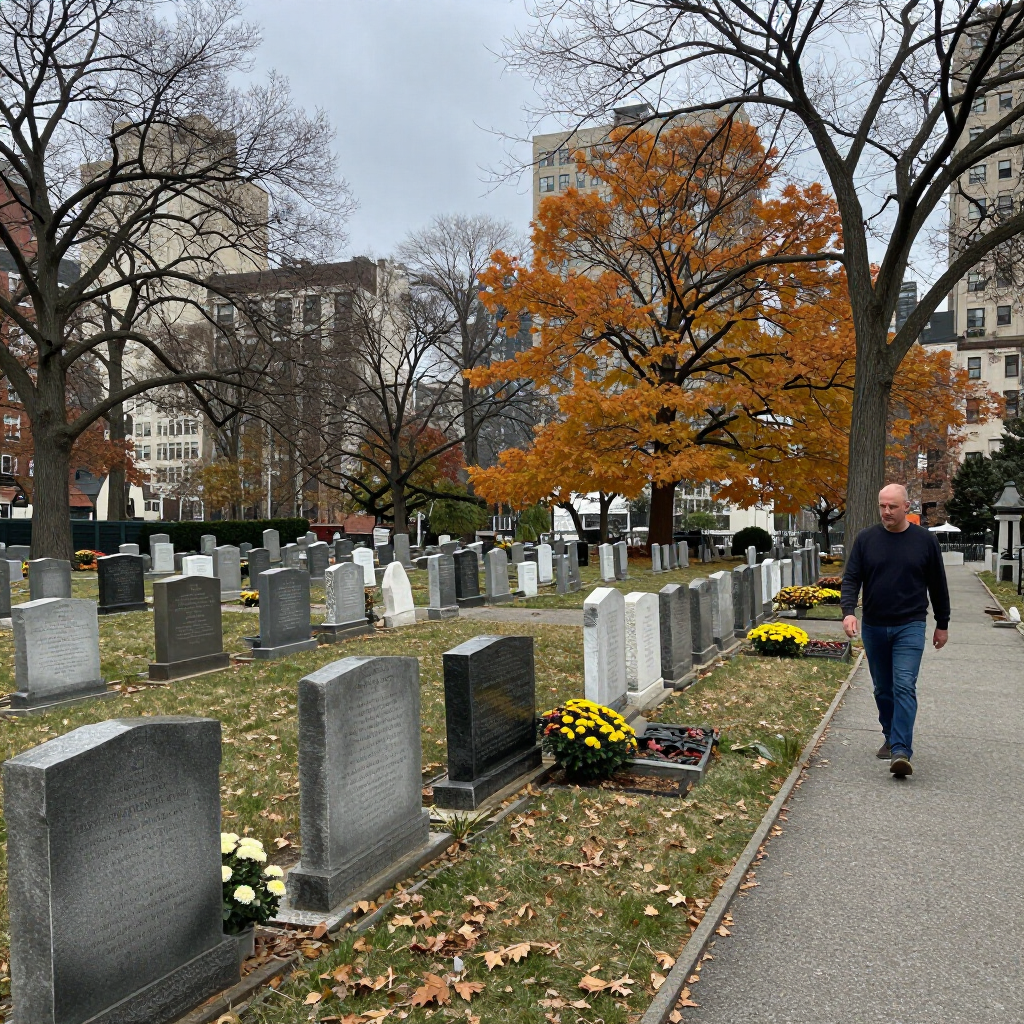
New York City is home to some of the most beautiful and historic cemeteries in the world, such as Green-Wood in Brooklyn and Woodlawn in the Bronx. However, these spaces are filling up. Land scarcity has made the cost of a new burial plot in NYC prohibitively expensive for some. This "real estate crisis of the afterlife" means that many families are now looking at community mausoleums or "second-right" burials, where a loved one is buried in the same plot as a previously deceased family member.
When choosing burial, you must consider the distance family members will have to travel for visits. A plot in a distant suburb might be cheaper, but it may lead to fewer visits over time. At Eastside Funeral Chapel, we help families navigate these cemetery regulations and find a final resting place that balances accessibility with budget and tradition.
How do religious traditions influence the choice?
Religion remains a primary driver in the burial vs. cremation debate. For many, faith provides the ultimate answer.
- Catholicism: While the Catholic Church allows cremation, it prefers the body to be present for the funeral and requires that the cremated remains be interred in a sacred place (a cemetery or columbarium) rather than scattered or kept at home.
- Judaism: Traditional Jewish law strictly forbids cremation, requiring the body to be buried in the earth in a simple wooden casket. This remains a cornerstone of cultural services for many NYC families.
- Islam: Similarly, Islam requires burial as soon as possible after death, and cremation is generally not permitted.
- Hinduism and Buddhism: These faiths traditionally practice cremation, seeing it as a way to release the soul from the physical body.
We specialize in cultural services and veteran services , ensuring that every ritual is performed with the utmost respect for the specific traditions of your community.
Memorialization Choices for Modern Families
Regardless of whether you choose burial or cremation, the act of memorialization is vital for the grieving process. For those choosing burial, the monument or headstone serves as the primary memorial. This offers a physical space for grief support and reflection. Families can choose from various caskets and vault styles to reflect the personality of their loved one.
For cremation, the options for memorialization are even more diverse. Ashes can be:
- Placed in a decorative urn and kept in a place of honor at home.
- Interred in a columbarium niche within a cemetery.
- Divided among family members in small keepsakes or jewelry.
- Scattered at sea or in a designated memorial garden.
Many families choose to have a public viewing and a traditional funeral planning process before the cremation, providing the "closure" of seeing the loved one one last time while still benefiting from the flexibility of cremation.
What are the legal requirements for cremation in New York State?
New York State has specific laws regarding cremation to ensure the process is handled with dignity and legal certainty. Unlike some other states, New York requires a 24-hour waiting period from the time of death before a cremation can take place. Furthermore, a cremation authorization form must be signed by the next of kin, and a permit must be obtained from the local registrar of vital statistics.
In cases where there is a dispute among family members, the process can be delayed. This is why pre-planning is so critical; it allows an individual to designate an agent for the disposition of their remains, preventing legal hurdles for the family during an already stressful time. Our staff can assist with all the necessary paperwork and permits to ensure a smooth transition.
Choosing the Right Path for Your Loved One
There is no "right" or "wrong" answer when it comes to burial vs. cremation in NYC. The best choice is the one that brings your family peace of mind and honors the legacy of the deceased. We recommend discussing these options openly with your family or during a consultation with our funeral directors.
When making your decision, ask yourself:
- What were the expressed wishes of my loved one?
- Does our religious or cultural tradition dictate a specific path?
- What is our realistic budget for the service and final disposition?
- Do we want a permanent physical site for future generations to visit?
- How soon do we want to hold the memorial service?
By answering these questions, you can move forward with confidence, knowing you have made a choice rooted in love and respect.
Conclusion and Key Takeaways
Deciding between burial and cremation is a deeply personal journey that balances practical needs with emotional and spiritual values. In New York City, the scarcity of land and the diversity of traditions make this choice particularly significant. Whether you choose the permanence of a traditional burial or the flexibility of cremation, the most important element is the opportunity for family and friends to gather, remember, and heal.
Key Takeaways:
- Cremation offers significant cost savings and logistical flexibility in NYC's crowded landscape.
- Traditional Burial provides a permanent physical landmark for grieving and historical record.
- Religious Beliefs are often the deciding factor; consult your spiritual leaders or our cultural services guide.
- Pre-planning your choice can alleviate the legal and financial burden on your survivors.
- Memorialization is possible with both options—find a tribute that truly reflects the life lived.
If you need further guidance or wish to begin end-of-life planning , please contact us today. We are here to support you 24/7.
Recent Posts