How Funeral Repatriation Works (Process & Steps)
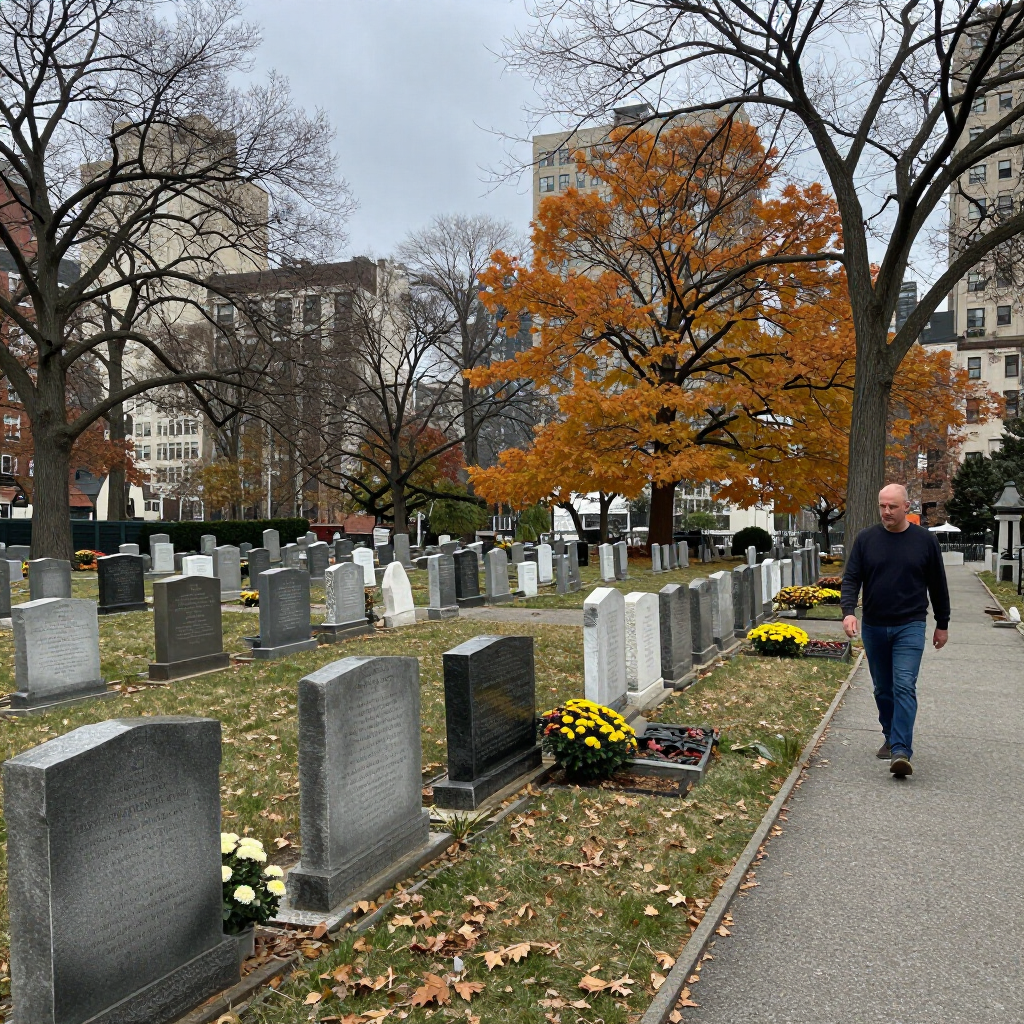
Funeral repatriation is the process of transporting a deceased individual from the place of death to their home state or home country for burial or cremation. This involves coordinating legal documentation, specialized embalming, transportation logistics by air or ground, and collaboration between two funeral homes to ensure a dignified journey.
Losing a loved one is an overwhelming experience, and the complexity increases tenfold when the death occurs far from home. Whether your loved one passed away while traveling, working abroad, or living in a different state, the logistical challenge of bringing them home—known as repatriation—requires professional expertise and careful planning. At Eastside Funeral Chapel, we specialize in repatriation services , helping families navigate the intricate web of local laws, international regulations, and airline requirements to ensure their loved one returns home with the utmost respect and care.
What is funeral repatriation and why is it necessary?
Funeral repatriation refers to the specialized service of moving human remains across state or national borders. It is necessary when a family wishes for the final disposition—be it burial or cremation—to take place in a location other than where the death occurred. This process is highly regulated to ensure public health safety and to respect the legal jurisdiction of both the departing and receiving locations.
There are two primary types of repatriation:
- Domestic Repatriation: Moving the deceased between states within the same country (e.g., from New York to Florida).
- International Repatriation: Moving the deceased from one country to another (e.g., from the United States to Italy).
Each type carries its own set of challenges. Domestic transport is generally faster and involves fewer legal hurdles, often utilizing specialized ground transport or domestic flights. International transport, however, requires coordination with consulates, embassies, and international health organizations, making it a much more complex undertaking that necessitates the assistance of an experienced funeral director.
How does the repatriation process begin?
The process begins the moment you contact a funeral home. If you are facing this situation, seeking immediate assistance is crucial. The first step involves the "sending" funeral home taking custody of the deceased from the hospital, coroner’s office, or residential location.
Once the deceased is under the care of a funeral professional, the following initial steps occur:
- Verification of Identity: Ensuring all legal records match the individual.
- Notification of Authorities: Informing the local registrar or health department of the death.
- Securing the Death Certificate: This is the foundational document for all subsequent transport permits.
- Embalming for Transport: Most airlines and state laws require embalming for long-distance transport to meet sanitary standards.
- Selection of a Receiving Funeral Home: You must designate a funeral home in the destination city to receive the remains.
Coordination between the two funeral homes is the backbone of a successful repatriation. The sending home handles the preparation and permits, while the receiving home manages the local transport from the airport or rail station and coordinates the final funeral services .
What documents are required for shipping remains?
Documentation is the most time-consuming aspect of funeral repatriation. Because you are moving a body across jurisdictions, every authority involved requires proof of cause of death and legal permission to move the remains. Without the correct paperwork, transport can be delayed for days or even weeks.
Key documents typically include:
- Certified Copy of the Death Certificate: The primary proof of death.
- Burial/Transit Permit: A legal document issued by the local health department authorizing the movement of the body.
- Embalming Certificate: A signed statement from the funeral director confirming the body has been prepared according to regulations.
- Non-Contagious Disease Letter: A certification from a medical examiner or health officer stating the deceased did not have a communicable disease.
- Passport of the Deceased: Essential for international transport.
- Consular Mortuary Certificate: Required for international shipping to confirm the destination country's regulations are met.
For international repatriation, all documents may need to be translated into the language of the receiving country and authenticated with an Apostille or consular seal. Our team at Eastside Funeral Chapel assists in gathering these documents, working closely with government offices to expedite the funeral planning process so families can focus on their grief rather than bureaucracy.
Differences between domestic and international repatriation
When moving a loved one between states, the process is relatively streamlined. Many funeral homes use specialized long-distance ground transport vehicles if the distance is under 300-500 miles. For longer domestic distances, airlines have "known shipper" programs that allow funeral homes to book space on commercial flights. The requirements are standard: a transit permit, a death certificate, and an air tray (a specialized shipping container).
International repatriation is significantly more demanding. Each country has unique laws regarding the entry of human remains. For example, some nations require a zinc-lined casket (often called a Ziegler case) to be hermetically sealed inside a wooden shipping crate. Others require specific religious rites to be performed before the body leaves the country. Furthermore, the timeline for international transport is heavily dependent on consulate office hours and flight availability, which can vary greatly by region.
How much does funeral repatriation cost?
Cost is a significant concern for families during this time. The total expense of repatriation is the sum of several different service fees and logistical costs. It is important to request a clear itemized list from your funeral provider to understand where your money is going.
Typical costs include:
- Professional Service Fees: The labor involved in coordinating with authorities and the receiving home.
- Preparation and Embalming: Specialized techniques for long-distance travel.
- Casket or Shipping Container: Air trays or Ziegler cases required by transport carriers.
- Transportation Fees: Airfare (calculated by weight and volume) or mileage for ground transport.
- Documentation and Permit Fees: Costs associated with death certificates and consular stamps.
- Receiving Funeral Home Fees: The costs charged by the home in the destination city for pickup and final arrangements.
Because these costs can escalate, many people include repatriation coverage in their pre-planning arrangements. This ensures that the financial burden does not fall unexpectedly on family members during a time of crisis.

The logistics of transporting a body by air
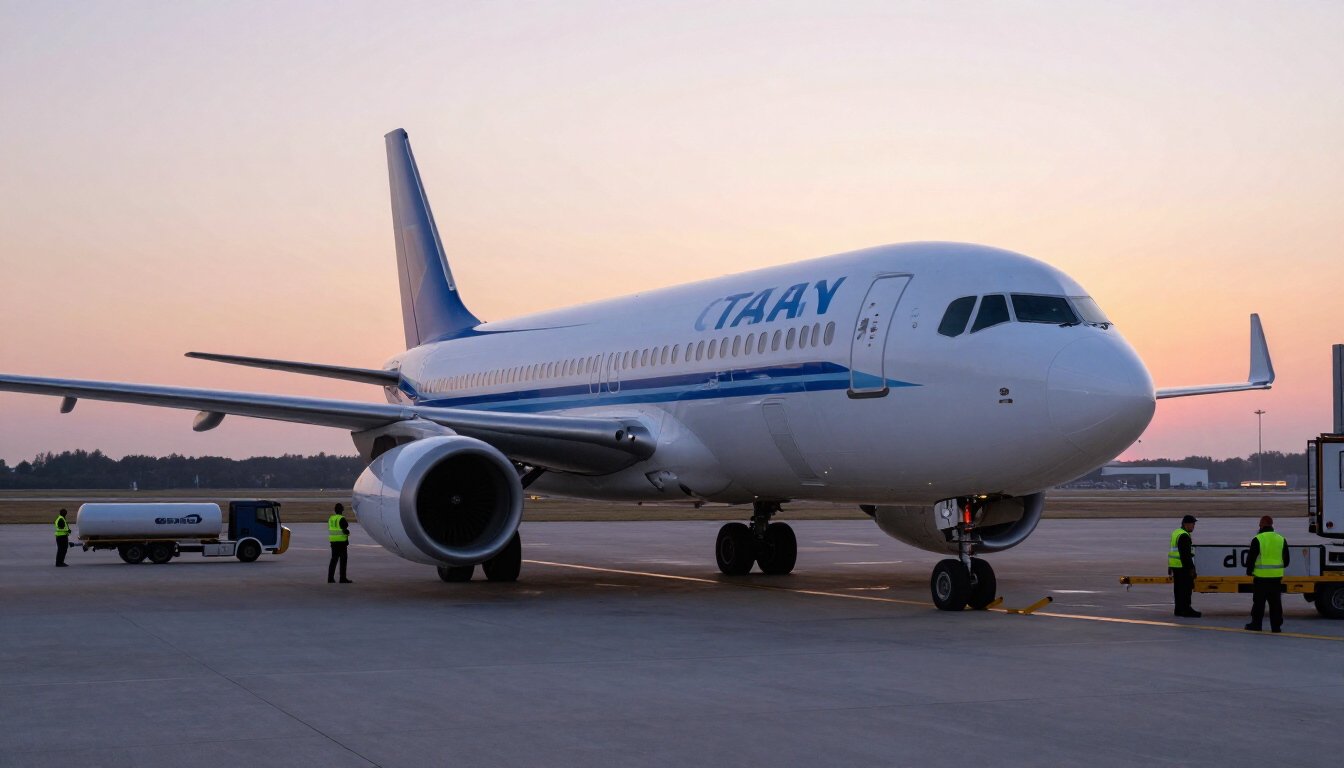
Shipping remains by air is the most common method for international and long-distance domestic repatriation. It is not as simple as booking a passenger ticket. Funeral homes must be registered as "Known Shippers" with the Transportation Security Administration (TSA). This status is mandatory for anyone shipping cargo on passenger aircraft.
Once the paperwork is ready, the deceased is placed in a specialized shipping container. For those who have already purchased a casket, an "Air Tray" (a wooden base with a cardboard cover) is used to protect the casket. If the deceased is not yet in a casket, a "Combination Unit" is used. At the airport, the remains are handled with extreme care and are usually the last items loaded and the first items unloaded from the aircraft. The receiving funeral home is then notified of the flight arrival time to ensure a prompt pickup from the cargo terminal.
How to choose a repatriation service provider
Choosing the right partner is essential for a smooth transition. Not all funeral homes have extensive experience with the complexities of international law or the specific requirements of the New York City medical examiner's office. When evaluating a provider, consider the following:
- Experience: How many repatriations do they handle annually?
- Global Network: Do they have established relationships with international consulates and airlines?
- Transparency: Do they provide a clear breakdown of all potential costs, including third-party fees?
- Communication: Are they available 24/7 to provide updates on the transport status?
At Eastside Funeral Chapel, we pride ourselves on our deep understanding of the New York metropolitan area's unique logistics. We handle all aspects of the journey, ensuring that your loved one is treated with dignity from the moment they enter our care until they reach their final resting place. If you have questions about the specific requirements for a particular country or state, you can contact us for a detailed consultation.
Ways to manage grief during the transport process
Wait times during repatriation can be agonizing. Unlike a local funeral where services happen within a few days, repatriation can take a week or more. This "limbo" period can stall the grieving process. It is helpful to stay connected with your grief support network during this time.
Consider these steps to help manage the wait:
- Start Planning the Service: Use the time to coordinate with your local clergy or celebrant about the memorial planning .
- Gather Photos and Memories: Focus on creating a tribute or slideshow for the eventual service.
- Seek Aftercare Support: Reach out to aftercare support services to talk through the unique stress of long-distance loss.
- Keep a Direct Line to Your Director: Knowing exactly where your loved one is in their journey can provide a small measure of peace.
Repatriation is a bridge between a difficult loss and a meaningful farewell. While the logistics are complex, the goal is simple: to bring your loved one home so they can be honored by those who knew and loved them best.
Summary and Key Takeaways for Families
Navigating funeral repatriation requires a blend of legal knowledge, logistical precision, and compassionate care. By understanding the steps involved, you can better prepare for the journey ahead and ensure your loved one is returned home safely and respectfully.
- Act Quickly: Contact a professional funeral home immediately to start the legal paperwork.
- Designate Two Homes: You need both a sending and a receiving funeral home to manage the transition.
- Prepare for Documentation: Gather the deceased’s passport and legal identification as soon as possible.
- Understand the Costs: Repatriation involves unique fees like air trays, airline freight, and consular charges.
- Trust the Experts: Lean on your funeral director to handle the complex communication with airlines and government offices.
If you find yourself in the difficult position of needing to move a loved one, remember that you don't have to navigate this path alone. Professional guidance is available to manage every detail of the repatriation process.
Recent Posts