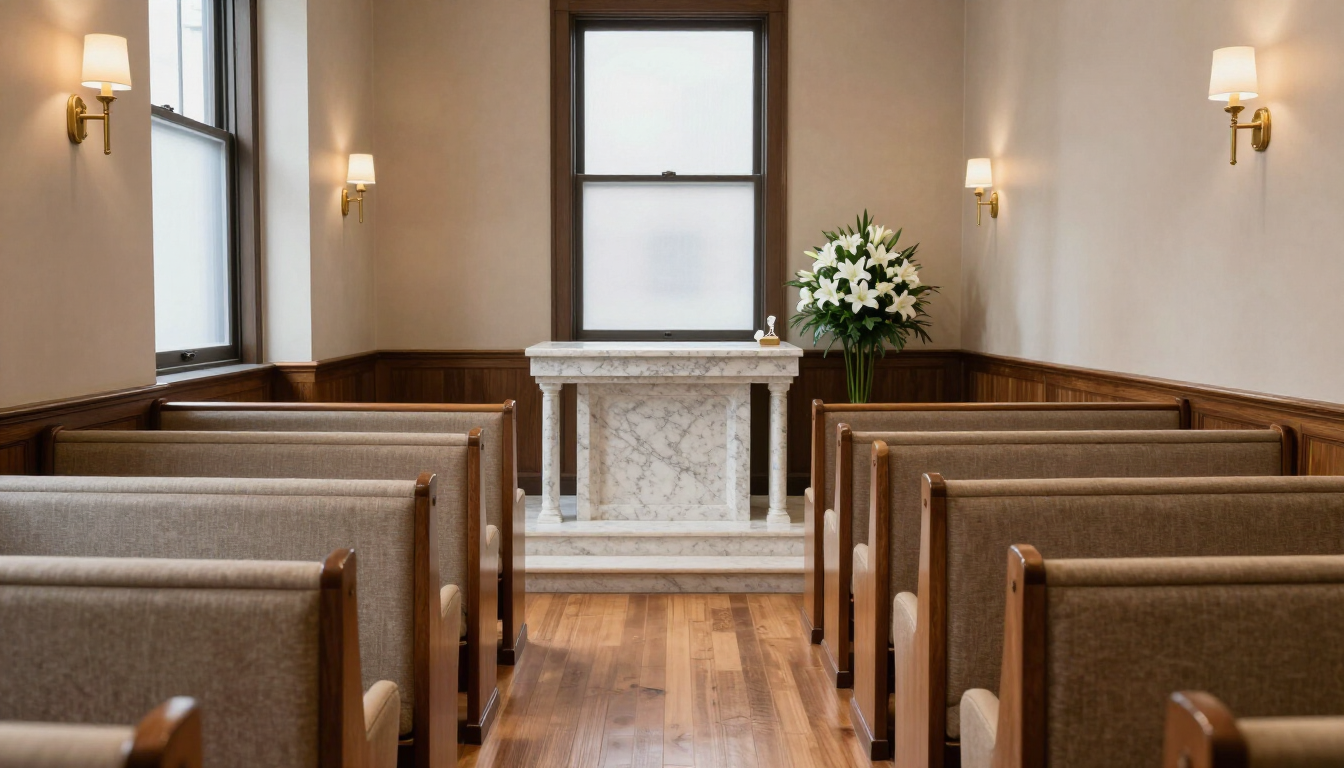
What to Do Immediately After a Loved One Passes Away in NYC
To handle what to do immediately after a loved one passes away in NYC, you must first verify the death by calling 911 (if at home) or notifying staff (if in a facility). Then, contact a licensed funeral home to arrange transport, secure a death certificate, and coordinate with the New York City Medical Examiner if necessary.
What to do immediately after a death in NYC?
When a loss occurs in the vibrant and complex environment of New York City, the sheer volume of logistical requirements can feel overwhelming. The immediate priority depends entirely on where the passing occurred. In a city as dense as Manhattan, the protocols for a death at home differ significantly from those in a hospital like NYU Langone or a dedicated hospice facility.
If the death is expected—for example, if the person was under at-home hospice care—your first call should be to the hospice nurse. They are authorized to declare the death and guide you through the initial minutes. However, if the death is sudden or occurs at home without hospice involvement, you must dial 911 immediately. In NYC, the police and emergency medical services (EMS) will respond to verify the passing and determine if the Office of Chief Medical Examiner (OCME) needs to be involved.
Following medical verification, your next step is to secure immediate assistance . This involves choosing a funeral director who can take legal custody of your loved one and begin the process of transportation and preservation. Because New York State law requires a licensed funeral director to handle most aspects of remains disposition, this partnership is your most critical resource in the first few hours.
Who should I call first when a death occurs at home?
Navigating an unattended death at home in any of the five boroughs requires specific legal steps. If your loved one was not under the care of a physician or hospice, the situation is classified as an "unattended death." Here is the sequence of calls to make:
- Emergency Services (911): They will dispatch EMS to confirm the death and police to file a report.
- The Decedent’s Physician: If the death was expected due to illness, the doctor may be able to sign the death certificate remotely, which simplifies the process.
- Close Family and Friends: Once the authorities have been notified, begin reaching out to your primary support network.
- A Licensed Funeral Home: Contact a provider like Eastside Funeral Chapel to arrange for the transfer of the deceased.
- The Office of Chief Medical Examiner (OCME): If the death was sudden, accidental, or suspicious, the police will notify the OCME. They may take the deceased to their facility for further examination.
In New York City, the OCME plays a significant role. If they take jurisdiction, they will perform an autopsy or external exam to determine the cause of death. You will still need to hire a funeral home to coordinate the release of the body from the OCME once their investigation is complete.
Legal requirements for reporting a death in New York City
New York City has some of the most stringent reporting requirements in the United States. Every death that occurs within the city limits must be registered with the NYC Department of Health and Mental Hygiene (DOHMH). This is not a task for the family; rather, it is a collaborative effort between the medical professional (who certifies the cause of death) and the funeral director (who files the personal data).
When you are determining what to do immediately after a loved one passes away in NYC , understanding the "Electronic Death Registration System" (EDRS) is helpful. This digital platform allows doctors and funeral directors to process certificates quickly. However, the family must provide accurate biographical information, including the deceased’s Social Security number, parents’ names (including mother’s maiden name), and birthplace.
Failure to provide accurate data can lead to significant delays in settling the estate or claiming life insurance. It is often helpful to have a planning checklist ready to ensure no vital details are missed during this high-stress period. Accuracy at this stage prevents the need for costly and time-consuming amendments to the death certificate later.
How do I obtain a death certificate in Manhattan?
In Manhattan and the surrounding boroughs, the funeral director typically handles the initial ordering of death certificates. These documents are essential for almost every legal and financial task following a passing. You will need original certified copies for:
- Closing bank accounts and transferring funds.
- Filing for life insurance benefits.
- Transferring titles for real estate or vehicles.
- Applying for Social Security survivor benefits.
- Accessing retirement accounts or pensions.
Typically, it is recommended to order at least 10 certified copies. In NYC, the turnaround time for these certificates can vary, but having a professional handle the filing ensures that the process meets all city health department codes. If you need additional copies months or years later, you can order them through the NYC Department of Health or authorized third-party services like VitalChek.
Steps for selecting a funeral home or cremation service
Choosing a provider is a deeply personal decision that should be based on reputation, transparent pricing, and cultural sensitivity. In NYC, you have access to a wide range of funeral services and cremation services .
When evaluating a funeral home, consider the following:
- Location and Accessibility: Is the facility easy for family members in Manhattan or Queens to reach?
- Service Offerings: Do they offer traditional burials, green burials, or direct cremations?
- Cultural Competence: Does the staff understand the specific religious or cultural rites relevant to your family?
- Price Transparency: NYC funeral homes are required by law to provide a General Price List (GPL) upon request.
- Facility Quality: Is the chapel or viewing area clean, modern, and comforting?
Many families are now opting for pre-planning to avoid making these difficult choices during a crisis. If your loved one did not have a plan in place, look for a provider that offers compassionate guidance without high-pressure sales tactics. At Eastside Funeral Chapel, we focus on helping families navigate these choices with dignity and clarity.
How to handle immediate logistics and transport
Once the legal notifications are complete, the physical transport of your loved one is the next hurdle. In NYC’s crowded streets, logisitical timing is everything. If the death occurred in a hospital, the facility will usually hold the body in their morgue for a limited time (often 24 to 48 hours) until a funeral home is selected.
If the deceased is to be moved across state lines or internationally, you will need repatriation services . NYC is a global hub, and many families require their loved ones to be sent back to their home countries. This involves complex paperwork, coordination with consulates, and specialized preparation of the remains. A funeral home experienced in international shipping is non-negotiable in these instances.
For local transport, the funeral home will use a specialized vehicle. They will coordinate with the hospital’s security or the Medical Examiner’s office to ensure a respectful transfer. During this time, you should also begin gathering the clothes and any personal items (like jewelry or photos) you wish to have included in the service or cremation process.
Important notifications to make within 48 hours
Beyond the immediate medical and legal calls, there are several entities you should notify within the first two days to prevent identity theft or complications with benefits:
- The Employer: If the deceased was still working, their HR department needs to be notified regarding final paychecks and benefits.
- Social Security Administration: Usually, the funeral director notifies them, but it is wise to double-check.
- Insurance Companies: Start the process for life, health, and car insurance.
- Banks and Credit Card Companies: To freeze accounts and prevent unauthorized charges.
- The Post Office: You may need to forward mail to the person handling the estate.
Managing these tasks while grieving is incredibly difficult. Don’t hesitate to delegate these calls to a trusted friend or family member. Organizing a folder with all the relevant account numbers and contact information will make this process significantly smoother.
Finding grief support in NYC
New York City offers a wealth of resources for those mourning a loss. Grief is not a linear process, and the fast-paced nature of NYC can sometimes make one feel isolated in their sorrow. Accessing grief support early can provide a safe space to process the trauma of loss.
From formal support groups in Manhattan to individual counseling, there are options for every need. Many hospitals and religious organizations offer free or low-cost bereavement services. Additionally, reading through local obituaries can sometimes help families feel a sense of community with others who are also navigating the journey of remembrance and celebration of life.
Summary and Next Steps
Knowing what to do immediately after a loved one passes away in NYC is about balancing legal compliance with personal mourning. The first few hours require swift action regarding medical verification and choosing a funeral partner. By focusing on the immediate priorities—reporting the death, securing the remains, and obtaining death certificates—you create the space needed to plan a meaningful farewell.
Core Takeaways for NYC Families:
- Verify Immediately: Call 911 or hospice to establish the legal time of death.
- Secure a Partner: Contact a licensed funeral home to handle transport and the EDRS filing.
- Gather Documents: Collect the Social Security number and biographical data for the death certificate.
- Notify Agencies: Alert Social Security, banks, and employers within 48 hours.
- Seek Support: Utilize NYC’s extensive grief counseling and community resources.
If you are currently facing a loss and need guidance, our team at About Us is available 24/7 to provide professional and compassionate assistance. Please contact us today for immediate help with arrangements, transport, or any questions you may have about the NYC death registration process.